For organizations overseeing occupational health across multiple locations, hearing testing has long been a logistical hurdle. Balancing the scheduling of mobile vans, managing on-site booths, and minimizing operational disruption, traditional...

On a remote island in Alaska, where flights are unreliable, weather determines schedules, and fishing factories operate around the clock, hearing conservation looks very different from the rest of the...

Hearing conservation programs have long relied on lagging indicators. Audiograms and Significant Threshold Shifts (STS) confirm hearing damage after it has already occurred. They do not identify risk before permanent...

At Fuyao Glass America, hearing conservation isn’t a once-a-year obligation. It’s an everyday operational reality. The company operates one of the largest automotive glass manufacturing facilities in the world. With...

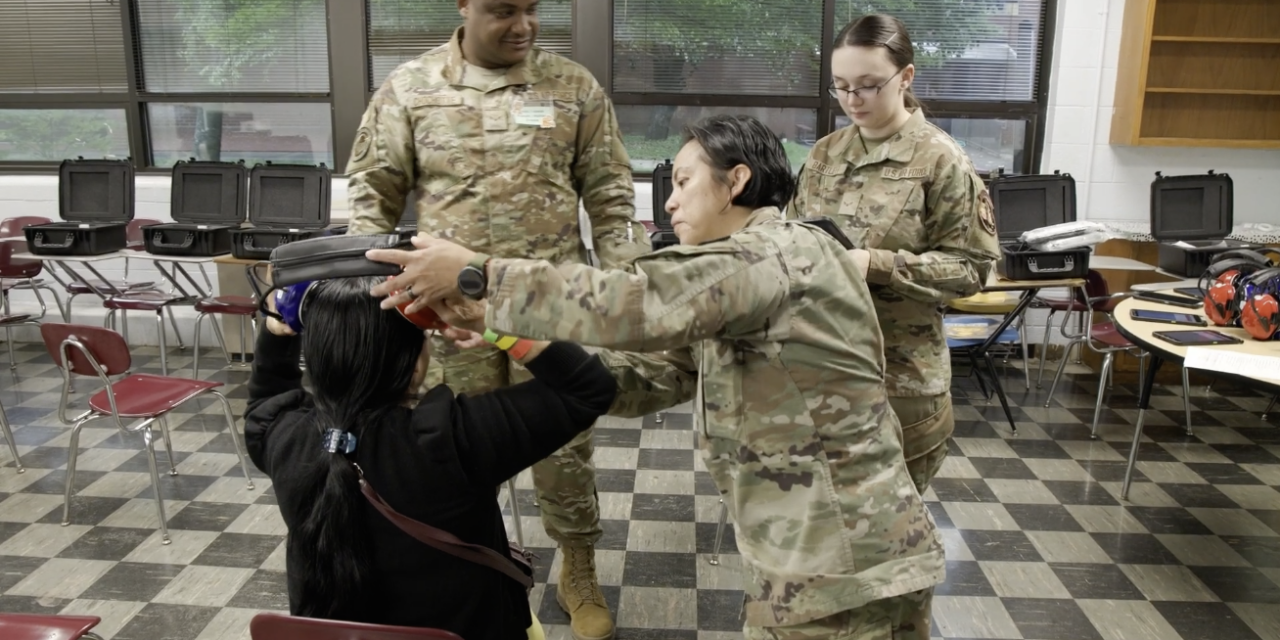
When Air Force Global Strike Command faced rising hearing conservation demands following the expansion of total-force requirements, traditional booth-based testing workflows were no longer sufficient. At Malmstrom AFB, the challenge...

WAHTS Hearing and Enterprise Health Announce Direct API Integration to Modernize Occupational Hearing Conservation Programs Automated audiometric data transfer improves record integrity, workflow efficiency, and compliance readiness for enterprise occupational...

For decades, traditional booth-based audiometry has shaped how hearing thresholds are assessed. The model worked well when clinicians, sound booths, and service members were all in the same location at...

When it comes to hearing conservation, logistical issues often hinder compliance. That’s a challenge Shayne Hill and her team at the Tennessee Valley Training Center (TVTC) were all too familiar...

In the music industry, hearing isn’t just necessary — it’s everything. Musicians, sound engineers, and crew members rely on their ears as their most valuable tool. Yet hearing loss often...