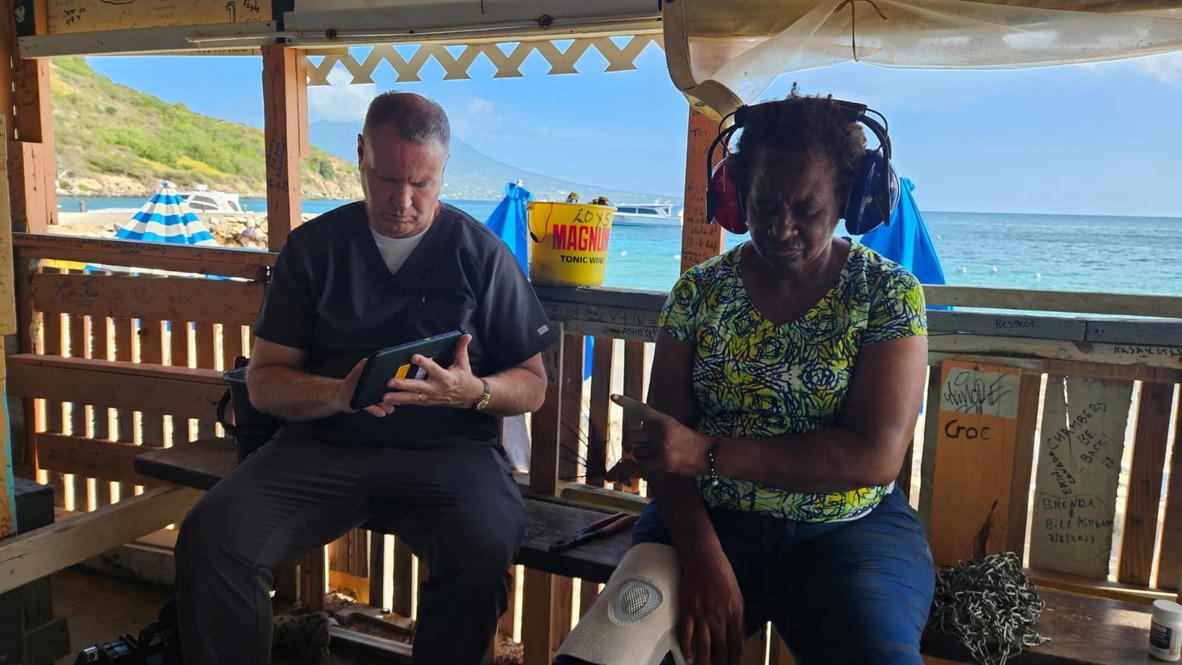
Where Hearing Care Doesn’t Exist, You Have to Build It
For most people, a hearing test is routine. But on the islands of St. Kitts and Nevis, that reality doesn’t apply. There are no audiologists on the islands. For many residents, hearing care has never been part of their healthcare experience. No screenings. No diagnostics.
No treatment options. To access care, individuals must travel off-island, often at a cost that makes it effectively out of reach. That absence doesn’t just affect hearing. It also affects communication, education, employment, and quality of life. It’s a gap ‘Hear for a Purpose’ is working to close.
A Nonprofit Built on Purpose and Sustainability
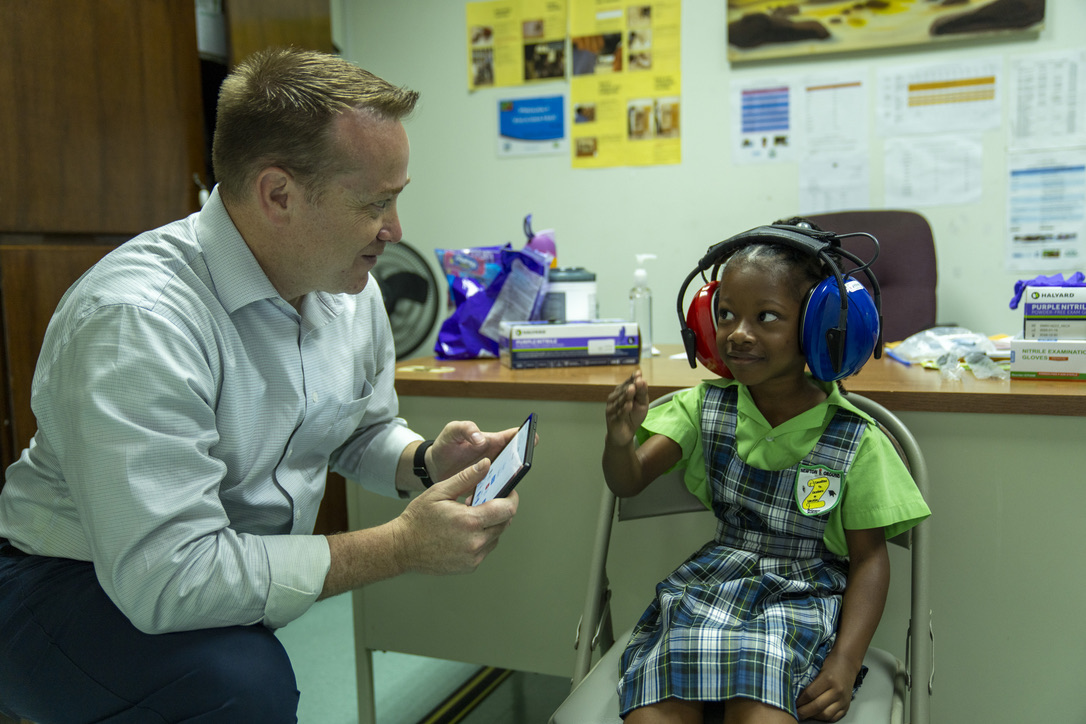
Founded in 2016 by a group of audiologists, Hear for a Purpose wasn’t created to provide one-time aid. It was built to provide lasting access to hearing healthcare. The organization’s mission is clear: to improve sustainable access through training, equipment, and long-term partnerships.
That philosophy shaped their early work in the Dominican Republic, where they didn’t just provide services; they helped establish a fully equipped clinic staffed by local providers who continue to provide care year-round.
That same model now extends into the Caribbean through collaboration with the Lesser Antilles Medical Assistance Team (LAMAT). For more on LAMAT’s broader mission and impact, please check out this article.
LAMAT: A Larger Mission with a Critical Gap
LAMAT is a global health engagement initiative that brings U.S. medical teams together with host nation providers to deliver care, exchange knowledge, and strengthen healthcare systems. Within that broader mission, audiology is just one part. But in St. Kitts and Nevis, it’s a critical issue. The country identified hearing care as a need, and Hear for a Purpose stepped in, working alongside local healthcare leaders to build something that didn’t exist before.
What Impact Looks Like in Two Weeks
The impact of a single mission is significant.
In just two weeks, the team:
- Conducts more than 500 hearing tests
- Fits more than 150 hearing aids
- Trains approximately 50 local nurses and physicians
But numbers don’t fully capture what’s happening. One woman working in a grocery store proudly shared that her hearing aids came from a previous mission. They changed how she communicated at work and at home. In another case, an 11-year-old boy initially labeled as having behavioral issues was diagnosed with hearing loss. After receiving a hearing aid, his ability to engage in the classroom changed entirely. These are not isolated stories. They’re evidence of what happens when access finally meets need.
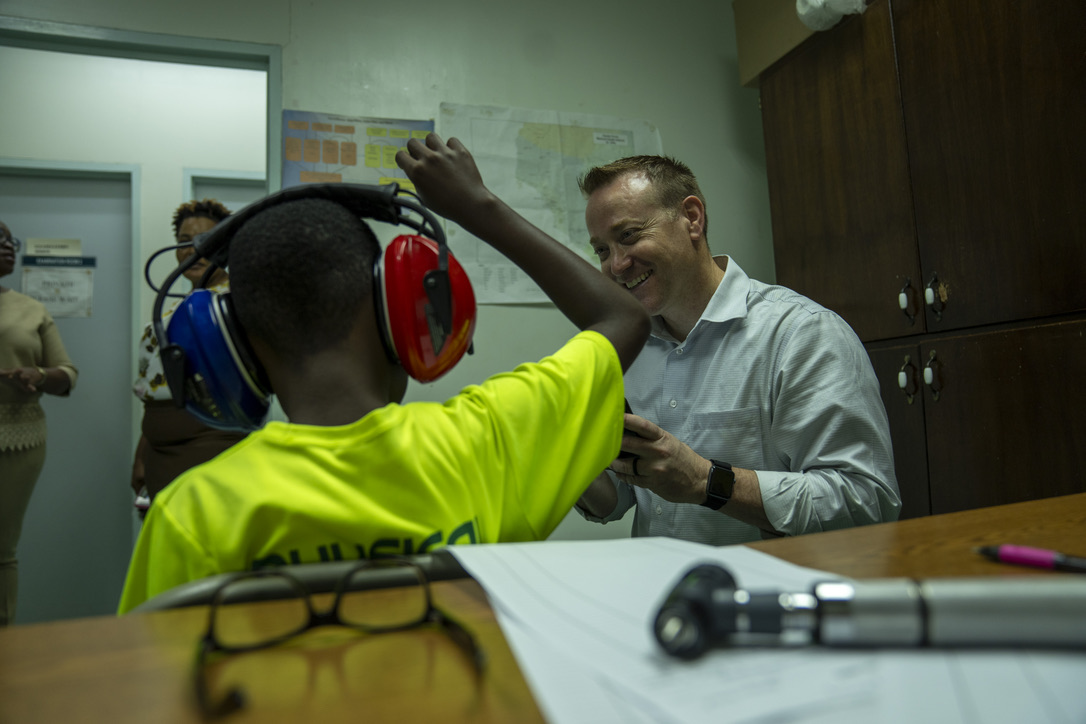
The Reality of Delivering Care Without Infrastructure
Providing hearing care in these settings is not just a medical challenge. It’s also a logistical one.
Teams are working in:
- Open-air classrooms
- Cinderblock rooms with open windows
- Clinics with limited or no power
- Spaces not designed for diagnostic testing
“All of those are typical constraints,” Foster explains. Traditional audiology depends on controlled environments, including sound booths, reliable power, and dedicated clinical space. None of those are guaranteed here.
Why Portability Changes Everything
In environments like these, the ability to adapt isn’t a benefit. It’s a requirement. With a boothless system like WAHTS, the team can move across the island to test patients wherever they are, including schools, clinics, and even at the bedside. “The portability of the WAHTS has been a game changer… WAHTS allows us to adapt to our environment and still get the job done.” In one case, the team was asked to evaluate a 29-year-old quadriplegic patient who had been confined to a hospital bed for nearly a decade. Traditional testing wouldn’t have been possible.
Instead, care was delivered directly at his bedside. In schools, where ambient noise typically limits accurate screening, the system enables clinicians to confidently capture lower frequencies that are often missed in uncontrolled environments. The result is simple: thanks to the WAHTS, testing is no longer limited by location.
Learn more about how the WAHTS system works.
Beyond Access: Building What Lasts
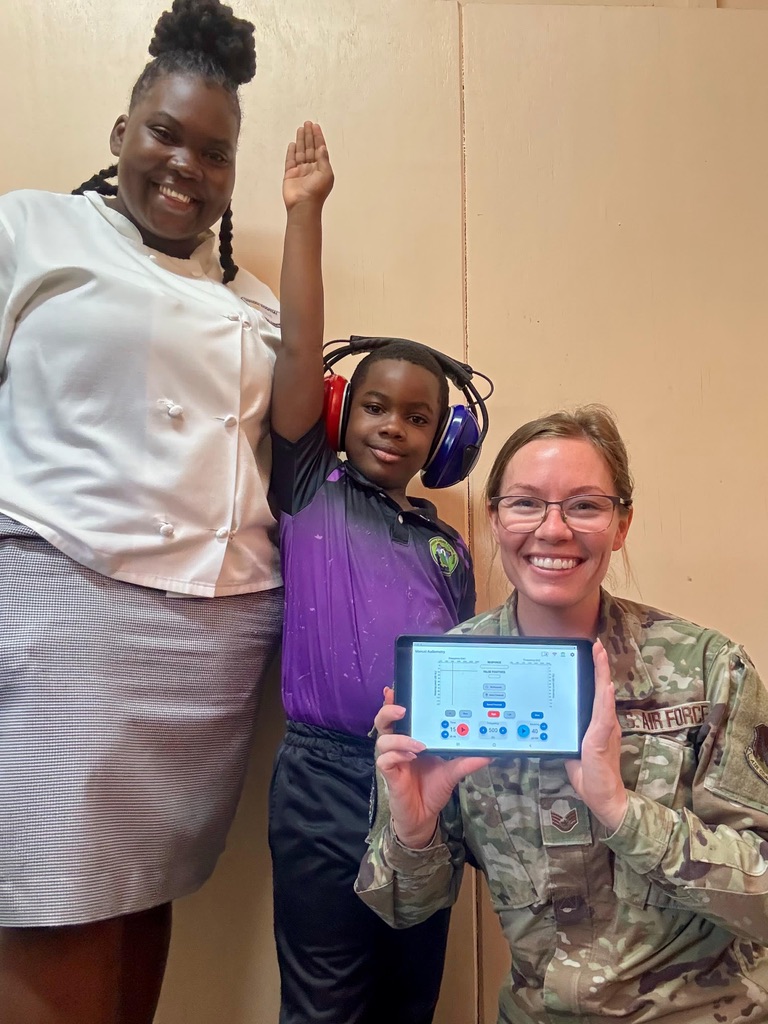
For Hear for a Purpose, the mission doesn’t end when the team leaves the island. Short-term impact means little without long-term continuity. “We can’t just show up and drop off hearing aids… there has to be sustainability,” Foster notes.
Sustainability takes shape through:
- Training local healthcare providers
- Partnering with Ministries of Health
- Leaving equipment for continued use
- Maintaining ongoing communication for support and education
In St. Kitts and Nevis, this approach has already spurred early-stage development of a national ear and hearing healthcare strategy, laying the groundwork for long-term, locally driven care.
The Technology Behind the Reach
While the mission is driven by people, purpose, and partnerships, delivering care at this scale depends on the right tools in the field. In settings where traditional audiology simply isn’t feasible, WAHTS provides the flexibility to meet patients where they are. Without the need for sound booths, fixed infrastructure, or reliable power, clinicians can deliver accurate hearing tests in classrooms, clinics, and even at the bedside.
That portability translates directly into impact:
- Testing can happen anywhere, without setup constraints
- More patients can be reached in less time
- Reliable results can be captured even in noisy environments
- Care is no longer constrained by geography or infrastructure
As Foster puts it, the ability to adapt to any environment and still get the job done has been a “game changer” for these missions. In places where hearing care has never existed before, that flexibility isn’t just valuable. It’s essential.